
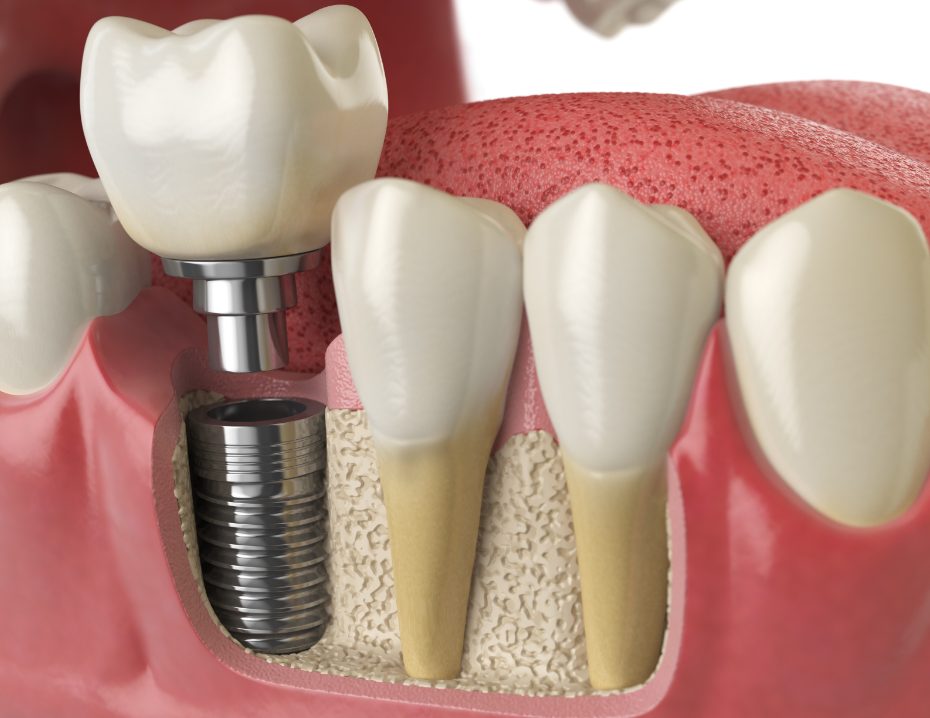
Dental implants are one of the most durable and natural-looking ways to replace missing teeth, but not everyone is immediately ready for placement. In some cases, your dentist may recommend a bone graft beforehand. Even though this extra step may sound intimidating, it plays an important role in helping your implant stay secure and successful for many years.
What Does a Bone Graft Do?
A dental implant depends on your jawbone for support. After the implant post is placed, it fuses with the bone through a process called osseointegration. If the bone is too thin or weak, it may not be able to hold the implant properly.
A bone graft strengthens the jaw by adding bone material to areas that have deteriorated or shrunk. Over time, your body integrates this material and forms new, healthy bone. This creates a more solid and stable foundation for your future dental implant, improving the likelihood of long-term success.
Why Would Your Jawbone Need More Support?
Bone loss in the jaw is a common side effect of tooth loss. Without a tooth root stimulating the area, the body gradually begins to break down the surrounding bone tissue. The longer a tooth has been missing, the more bone loss can occur.
You may also need a bone graft if you have experienced:
• Advanced gum disease
• Trauma or injury to the jaw
• Long-term denture wear
• Natural differences in bone structure
During your consultation, your dentist will review X-rays or 3D images to determine whether your jaw has enough density to support an implant.
How Bone Grafting Supports a Successful Implant
If an implant is placed in a weak or shallow bone, it may loosen, fail to fuse correctly, or become unstable over time. A bone graft helps ensure that your jaw is strong enough to withstand normal chewing forces.
Some of the key benefits of bone grafting include:
• Improved implant stability
• Reduced risk of implant failure
• Restored facial structure and volume
• Better long-term function and comfort
Although it may extend your treatment timeline, it significantly increases the chances that your implant will feel and function like a natural tooth.
How Will You Know If You Need a Bone Graft?
Your dentist will carefully evaluate your jaw health before approving implant placement. If the bone does not meet the necessary thickness or depth, a bone graft may be recommended first. The good news is that most patients who undergo bone grafting go on to become excellent candidates for dental implants afterward.
Taking this step now can help protect your investment and support a healthier, more confident smile in the future. A stronger jaw today leads to a more secure implant tomorrow.
About the Practice
Park Lane Periodontal and Dental Implant Group is a specialty periodontal practice dedicated to restoring gum health and rebuilding confident smiles. Led by Board-Certified periodontist Dr. Andrew Barnett, our team focuses on personalized, patient-centered care using advanced periodontal and implant techniques. Dr. Barnett is passionate about transforming patients’ lives by addressing pain, eliminating gum disease, and replacing missing teeth with durable dental implants while taking time to tailor each treatment plan to the individual. From your first visit through recovery, we emphasizes clear communication and a supportive experience so you always feel informed and comfortable throughout your periodontal care.
Call us at (214) 691-2614 or request an appointment online.