
Bone Grafting Dallas
Prepare Your Jaw for Dental Implants

If you are interested in getting dental implants, we will examine your mouth and take some images so we can understand the health and structure of your jawbone. Based on what we learn, we might recommend that you undergo a surgery known as bone grafting. What exactly is bone grafting, and how can it prepare your jaw to support dental implants? This page explains all the basics you should know about bone grafting in Dallas. If you have questions, feel free to contact our team at Park Lane Periodontal and Dental Implant Group.
Who Needs Bone Grafting?
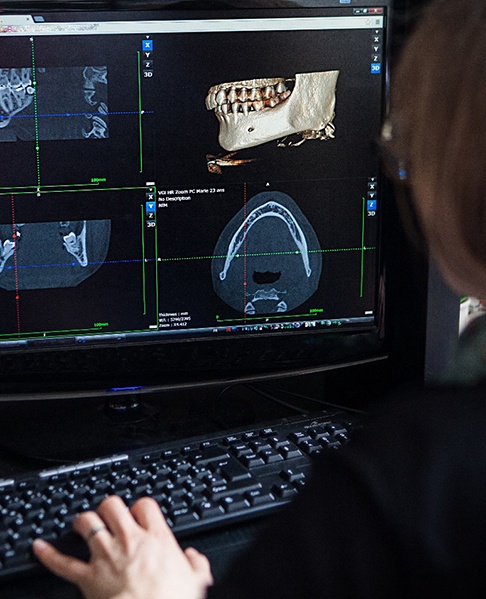
A bone graft is typically recommended for anyone whose jawbone is not large enough or strong enough to support dental implants. There are a number of reasons why your jawbone might not be adequate:
- Your teeth were extracted some time ago, and natural resorption has significantly affected your jawbone.
- Advanced gum disease has damaged your jawbone.
- Your jaw was injured.
- Your jawbone is naturally thin or weak.
A CBCT scan can reveal whether you require a bone graft. Our team will strive to make the most conservative and efficient treatment recommendation that is suitable for your unique circumstances.
How Does Bone Grafting Work?
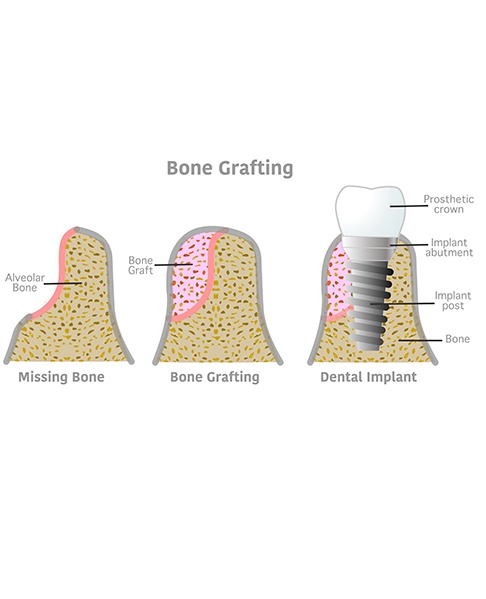
During bone grafting, we add bone material to the jaw. Over the course of a few months, your body should accept the grafted material, resulting in a bone that is strong enough to provide a sturdy base of support for dental implants.
Here are a few important notes about how bone grafting works:
- There are different types of bone grafts. For example, we might add granular material to a tooth socket or place a block of bone in a specific location. A sinus lift and ridge augmentation are two special types of bone grafts that maybe used in specific situations. (A sinus lift is for the upper jaw, whereas ridge augmentation helps to widen the part of the jawbone where dental implants get placed.)
- The grafted material can come from different sources. We might use bone from another part of your body, donor bone, processed animal bone, or synthetic bone material.
- The treatment timeline can vary. Some patients are able to undergo a bone graft and receive dental implants during the same appointment. For others, a waiting period of several months is necessary between the two procedures.
Benefits of Bone Grafting
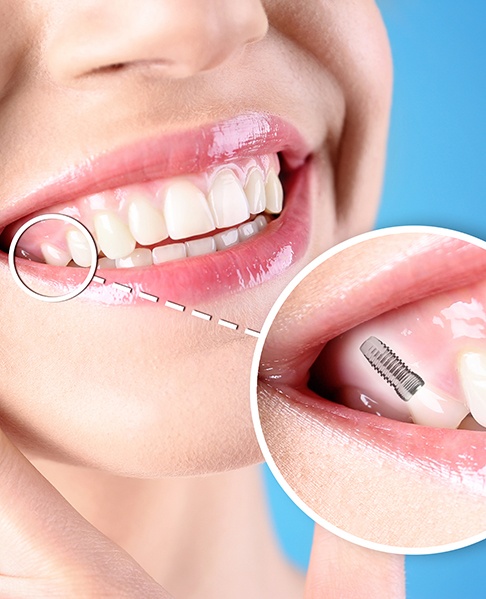
Bone grafting might seem like an inconvenience, but it actually offers some outstanding benefits, the most noteworthy of which is that it can allow you to receive dental implants. Without this procedure, some patients would have no way to enjoy the strength and reliability of this form of tooth replacement. Having a strong jawbone can significantly reduce your risk of dental implant failure.
Additionally, bone grafting is consistently successful and has a relatively brief recovery period. In fact, the soft tissue at your surgical site might be feeling better within a week or so!
Bone Grafting FAQs
Does bone grafting hurt?
You might be surprised by how little discomfort you feel during your bone grafting procedure. Before going forward, Dr. Barnett will numb the area thoroughly with local anesthetic, which will block pain signals. If you feel especially anxious or are resistant to the medication, our team also offers sedation options that can help you relax.
You may feel pressure or vibration during treatment, but you shouldn’t feel any acute discomfort. Afterward, it’s normal to have some soreness, swelling, or minor bruising for a few days, but you should be able to manage it with some ice to your cheek and generic pain relievers.
How do I know if I’ll need a sinus lift or ridge augmentation?
A sinus lift is usually recommended for the upper back teeth when your sinus floor is too close to your mouth or if the bone is too thin. A ridge augmentation, on the other hand, is used when your jawbone has shrunk or collapsed after tooth loss.
To decide if you need one of these procedures, Dr. Barnett will use X-rays and a 3D cone beam scanner imaging to create a precise picture of what’s going on beneath the surface of your smile. If a bone graft is recommended, he'll walk you through your treatment plan step by step, so you can make an informed decision about your care.
Can bone grafting fail? What happens if it does?
While bone grafting in Dallas has a high success rate, there is always a chance a graft may not fully take. This can happen if infection develops, if you smoke or vape during healing, or if the area experiences too much pressure or movement.
If a graft fails, it shouldn’t make you sick or cause any lasting damage, but it may mean modifying your treatment plan, which can delay your implant procedure.
After a graft rejection or failure, Dr. Barnett will evaluate the site and treat any underlying issues. Most of the time, a new graft can replace the old one. However, in some cases, alternative treatments, like bridges or partial dentures, may need to be considered.